

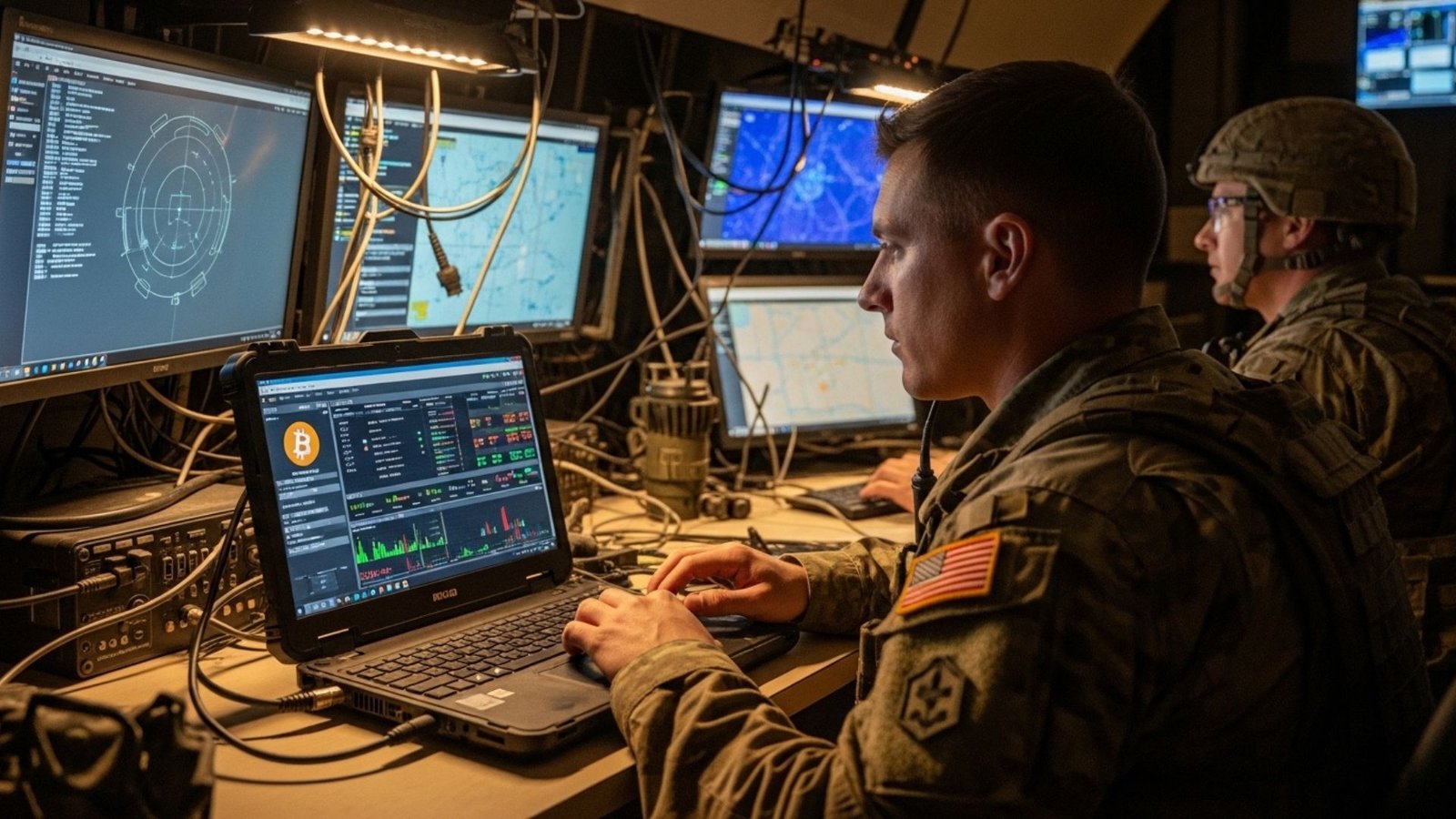
The US military has made headlines by running a Bitcoin node as part of its national security testing initiatives. Moreover, this development signals a significant shift in how government agencies approach emerging technologies. For example, the military’s interest in blockchain technology demonstrates that Bitcoin and similar cryptocurrencies are no longer viewed as purely speculative assets. Instead, they represent critical infrastructure worth studying and understanding. Therefore, exploring why the US military runs Bitcoin nodes helps us understand the future of national defense and technological innovation.
What Is a Bitcoin Node and How Does It Work?
A Bitcoin node is a computer that maintains a complete copy of the Bitcoin blockchain. Additionally, nodes verify transactions and ensure the security and integrity of the entire Bitcoin network. In other words, they act as watchdogs that prevent fraud and double-spending.
How Bitcoin Nodes Function
Nodes store every Bitcoin transaction ever made. Therefore, they play a crucial role in keeping the network decentralized and secure. When someone sends Bitcoin to another person, nodes validate that transaction. Moreover, they communicate with other nodes to reach consensus about which transactions are legitimate.
The Bitcoin network relies on thousands of independent nodes worldwide. However, the US military’s decision to run its own node represents something different and more strategic. For instance, government agencies can conduct security research and understand how blockchain networks operate from the inside.
Why the US Military Cares About Bitcoin Nodes
At first glance, connecting the military to Bitcoin might seem unusual. However, there are several legitimate reasons why defense agencies take blockchain technology seriously.
National Security and Emerging Technology
The Department of Defense must stay ahead of technological threats and opportunities. Therefore, running a Bitcoin node allows military cybersecurity experts to study how decentralized networks function. Moreover, understanding blockchain technology helps protect against potential cyberattacks and economic threats.
Additionally, adversaries like China and Russia are investing heavily in cryptocurrency research. For example, these nations are developing their own digital currencies and blockchain capabilities. Consequently, the US military cannot afford to ignore these technological developments.
Cryptography and Encryption Strength
Bitcoin relies on advanced cryptographic algorithms to maintain security. Therefore, military researchers can analyze these cryptographic methods to improve national defense systems. Moreover, understanding how Bitcoin protects data helps inform better security protocols for classified government communications.
Additionally, blockchain technology uses encryption techniques that could become relevant to future military applications. For instance, decentralized networks could support secure communications in scenarios where traditional infrastructure fails.
Bitcoin Node Testing and Security Research
The US military’s Bitcoin node testing focuses on several key areas. Therefore, understanding these research goals clarifies why this initiative matters for national security.
Key Testing Areas
1. Network Resilience Military researchers examine how Bitcoin networks remain functional even when some nodes go offline. Moreover, this knowledge helps protect critical government infrastructure against attacks.
2. Transaction Security The military studies how Bitcoin validates transactions without a central authority. Therefore, this research could improve government systems that require high-security verification processes.
3. Data Integrity Bitcoin’s blockchain ensures that historical data cannot be altered without detection. Additionally, this immutable record-keeping capability interests defense agencies planning secure systems.
4. Decentralized Systems The military explores how decentralized networks operate without a single point of failure. Therefore, this knowledge could strengthen government communication systems against targeted attacks.
The Connection Between Blockchain and National Defense
Blockchain technology extends far beyond Bitcoin and cryptocurrency. In fact, the military sees potential applications across multiple defense sectors.
Potential Military Applications
Blockchain technology could improve supply chain management for military equipment. For example, tracking weapons, ammunition, and supplies on an immutable ledger would prevent theft and counterfeiting. Moreover, it would increase accountability throughout the entire supply network.
Additionally, blockchain could secure military communications and intelligence sharing. Therefore, encrypted, decentralized networks might protect sensitive information better than traditional centralized systems. Furthermore, distributed ledgers could help coordinate international military alliances securely.
Public Concerns and Transparency
Some people question why the military should invest in Bitcoin and cryptocurrency research. However, this skepticism is understandable and worth addressing.
Common Questions About Military Bitcoin Nodes
Is the military trying to control Bitcoin? No. Running one node among thousands has minimal impact on Bitcoin’s network. Moreover, the military is a research participant, not a power player in cryptocurrency markets.
Does this mean the government will ban Bitcoin? Not necessarily. Understanding a technology doesn’t require banning it. Therefore, military research actually supports informed policy decisions about cryptocurrency regulation. Is taxpayer money being wasted? Cybersecurity research is a legitimate government expense. Additionally, understanding emerging technologies prevents costly security breaches and military vulnerabilities.
How This Fits Into Broader Government Strategy
The US military’s Bitcoin node initiative is part of a larger government strategy regarding digital currencies and blockchain. Therefore, understanding the bigger picture helps clarify this development.
Government Digital Currency Initiatives
Multiple federal agencies are exploring blockchain technology and digital currencies. For example, the Federal Reserve has researched central bank digital currencies (CBDCs). Moreover, Congress has held hearings about cryptocurrency regulation and government oversight. Additionally, understanding Bitcoin helps officials craft better policies. Therefore, hands-on research by the military contributes to more informed decision-making across government agencies.
International Competition
China and other nations are advancing their blockchain capabilities rapidly. Consequently, the US military cannot afford to fall behind in this technological race. Moreover, staying competitive in emerging technologies protects American national security interests.
What This Means for the Future
The US military running a Bitcoin node signals that blockchain technology will remain important to national defense. Therefore, we can expect continued government investment in cryptocurrency research and blockchain development.
Future Possibilities
Enhanced cybersecurity military blockchain research will likely improve government cybersecurity systems. Moreover, lessons learned from Bitcoin nodes could protect critical infrastructure against attacks. Improved Supply Chain Security The military may implement blockchain solutions for equipment tracking and management. Therefore, this could revolutionize how the Department of Defense manages resources.
International Cooperation As more nations develop blockchain capabilities, international military cooperation may depend on shared understanding. Moreover, the US military’s research positions the country as a leader in this field.
Conclusion
The US military runs Bitcoin nodes because emerging technologies require serious research and understanding. Therefore, this initiative represents responsible government stewardship of critical infrastructure concerns. Moreover, blockchain technology will continue shaping national security strategies in coming years.
Understanding why the US military takes cryptocurrency seriously helps citizens grasp the importance of technological literacy among defense officials. Furthermore, this research demonstrates that Bitcoin and blockchain technology deserve serious academic and government attention, regardless of their role in financial markets.
Additionally, as digital technologies evolve, government agencies must stay informed and prepared. Therefore, military investment in Bitcoin node research protects American interests and ensures informed policy decisions about future digital infrastructure.
The lesson here is clear: national security in the modern era requires understanding cutting-edge technologies. Consequently, the US military’s Bitcoin node initiative represents forward-thinking leadership in an increasingly digital world.
