

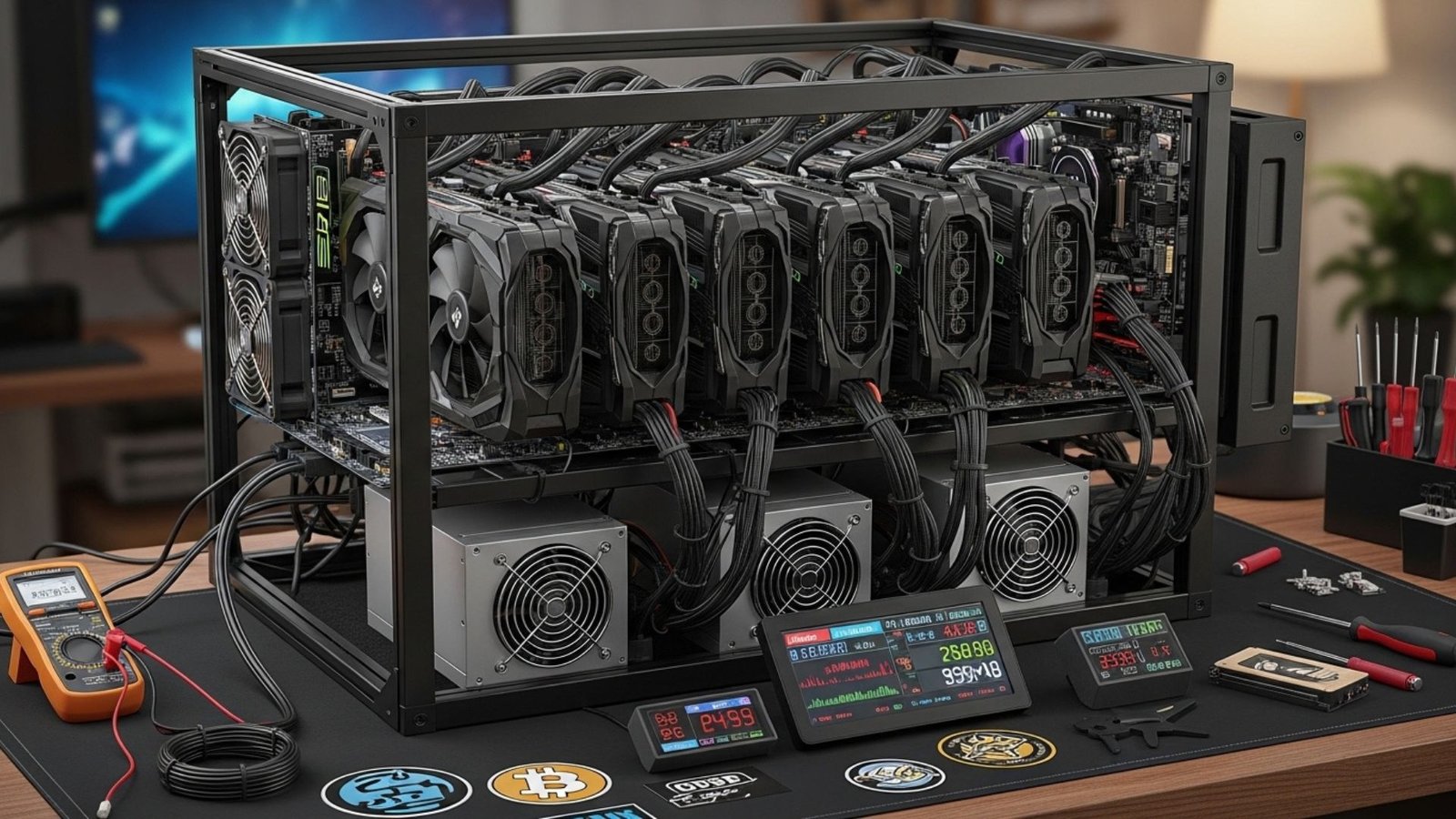
Bitcoin mining has evolved from a hobby for tech enthusiasts into a global industry powered by advanced hardware and significant investment. As more people become interested in earning cryptocurrency through mining, one of the most common questions they ask is about the bitcoin mining rig cost. Understanding the true cost of setting up and running a mining rig is essential before entering this competitive space.
At first glance, mining may seem simple. You set up a machine, connect it to the network, and start earning Bitcoin. However, the reality is far more complex. The bitcoin mining rig cost includes not only the initial hardware investment but also ongoing expenses such as electricity, cooling, maintenance, and upgrades. Without a clear understanding of these costs, many beginners underestimate the investment required and struggle to achieve profitability.
The increasing difficulty of Bitcoin mining has made it necessary to use specialized equipment rather than standard computers. This shift has significantly impacted the bitcoin mining rig cost, making it a critical factor in determining whether mining is a viable option. By exploring all aspects of cost, from hardware to operational expenses, this guide will help you make informed decisions and avoid costly mistakes.
Bitcoin Mining Rig Cost Basics
The term bitcoin mining rig cost refers to the total investment required to build and operate a system capable of mining Bitcoin efficiently. This includes hardware, software, electricity, and infrastructure expenses. Each component plays a role in determining the overall cost and profitability of mining operations.
At its core, a mining rig is a specialized computer designed to solve complex mathematical problems that validate transactions on the Bitcoin network. The more powerful the rig, the higher its chances of earning rewards. However, increased power also means higher costs, making it essential to balance performance with affordability.
The bitcoin mining rig cost varies depending on the scale of your operation. A small home setup may require a modest investment, while large-scale mining farms involve significant capital. Understanding these differences helps users choose the right approach based on their budget and goals.
Hardware Costs and Equipment Selection
ASIC Miners and Their Pricing
The most significant part of the bitcoin mining rig cost is the hardware. Modern Bitcoin mining relies on ASIC miners, which are specialized machines built specifically for mining. These devices offer high efficiency and performance compared to traditional GPUs or CPUs.
ASIC miners come in various models with different hash rates and power consumption levels. Higher-end models are more expensive but provide better performance, which can lead to higher rewards. However, the initial investment can be substantial, making it important to evaluate whether the potential returns justify the cost.
Supporting Equipment and Setup
In addition to the main mining hardware, several supporting components contribute to the bitcoin mining rig cost. These include power supplies, cooling systems, and networking equipment. Proper setup is essential to ensure that the mining rig operates efficiently and avoids overheating.
Cooling systems are particularly important, as mining hardware generates significant heat during operation. Investing in effective cooling solutions can increase the lifespan of your equipment and improve overall performance. While these components may seem secondary, they play a crucial role in the total cost of setting up a mining rig.
Electricity Costs and Energy Consumption
Electricity is one of the most important factors influencing the bitcoin mining rig cost. Mining requires continuous operation, which means energy consumption can be substantial. The cost of electricity varies depending on location, making it a key consideration when planning a mining setup.
High electricity costs can significantly reduce profitability, even if your hardware is efficient. This is why many miners choose locations with lower energy rates or explore renewable energy options. Understanding your local electricity rates and calculating potential expenses is essential before investing in mining equipment.
Energy efficiency is another important aspect. Modern mining rigs are designed to deliver higher performance with lower power consumption, but they still require careful management. By optimizing energy usage, miners can reduce costs and improve their chances of achieving profitability.
Maintenance and Operational Expenses
The bitcoin mining rig cost does not end with the initial setup. Ongoing maintenance and operational expenses must also be considered. Mining equipment requires regular monitoring to ensure optimal performance and prevent technical issues.
Over time, hardware components may wear out or become less efficient, requiring repairs or replacements. These maintenance costs can add up, especially for larger mining operations. Keeping your equipment in good condition is essential for maintaining consistent performance and avoiding unexpected expenses. Operational expenses also include software updates and system management. While these costs may not be as significant as hardware or electricity, they still contribute to the overall cost of running a mining rig.
Profitability and Return on Investment
Understanding profitability is a crucial part of analyzing the bitcoin mining rig cost. The goal of mining is to generate returns that exceed the total investment. However, achieving profitability depends on several factors, including Bitcoin price, mining difficulty, and operational costs.
Mining difficulty increases over time as more participants join the network. This means that earning rewards becomes more challenging, requiring more powerful hardware. As a result, the bitcoin mining rig cost must be carefully evaluated against potential earnings.
Return on investment is not guaranteed, and it may take time to recover the initial cost. By calculating potential earnings and comparing them with expenses, miners can determine whether their setup is financially viable.
Impact of Market Conditions on Mining Costs
The cryptocurrency market plays a significant role in shaping the bitcoin mining rig cost. Fluctuations in Bitcoin price directly affect mining profitability, as higher prices increase the value of rewards.
Market trends also influence hardware prices. During periods of high demand, mining equipment can become more expensive, increasing the overall cost of entry. Conversely, lower demand may lead to more affordable hardware options.
Understanding market conditions helps miners make informed decisions about when to invest in equipment. Timing can have a significant impact on both costs and potential returns.
Long-Term Considerations for Mining Investment
When evaluating the bitcoin mining rig cost, it is important to think beyond short-term expenses. Mining is a long-term investment that requires careful planning and ongoing management.
Technological advancements can make older hardware obsolete, requiring upgrades to remain competitive. This adds to the overall cost and must be considered when calculating long-term profitability. Staying updated with industry trends helps miners adapt to changes and maintain efficiency.
Environmental factors are also becoming increasingly important. Energy consumption and sustainability are key concerns in the mining industry, influencing both costs and regulations. Considering these factors can help ensure a more sustainable and profitable mining operation.
Conclusion
The bitcoin mining rig cost is a complex and multifaceted topic that goes far beyond the initial purchase of hardware. From equipment and electricity to maintenance and market conditions, every factor plays a role in determining the overall investment required for mining.
Understanding these costs is essential for making informed decisions and avoiding potential losses. While mining offers the opportunity to earn cryptocurrency, it also comes with risks and challenges that must be carefully managed. By analyzing all aspects of cost and profitability, users can determine whether mining is the right choice for their financial goals.
As the industry continues to evolve, staying informed and adaptable will be key to success. With the right approach, a well-planned mining setup can provide long-term value and contribute to the growing world of digital assets.
FAQs
Q What is the average bitcoin mining rig cost?
The average bitcoin mining rig cost can vary widely depending on the hardware and setup. Basic setups may cost a few thousand dollars, while advanced rigs can require significantly higher investments.
Q Is bitcoin mining still profitable in 2026?
Bitcoin mining can still be profitable, but it depends on factors such as electricity costs, hardware efficiency, and market conditions. Careful planning is essential to achieve positive returns.
Q How long does it take to recover mining costs?
The time required to recover the bitcoin mining rig cost depends on profitability and market conditions. It may take several months or even years to break even.
Q Can I mine Bitcoin at home?
Yes, it is possible to mine Bitcoin at home, but it requires proper equipment, sufficient electricity supply, and effective cooling solutions to ensure efficient operation.
Q What is the biggest expense in bitcoin mining?
The biggest expense in bitcoin mining is usually electricity, followed by the cost of hardware. Managing these costs effectively is key to maintaining profitability.
