

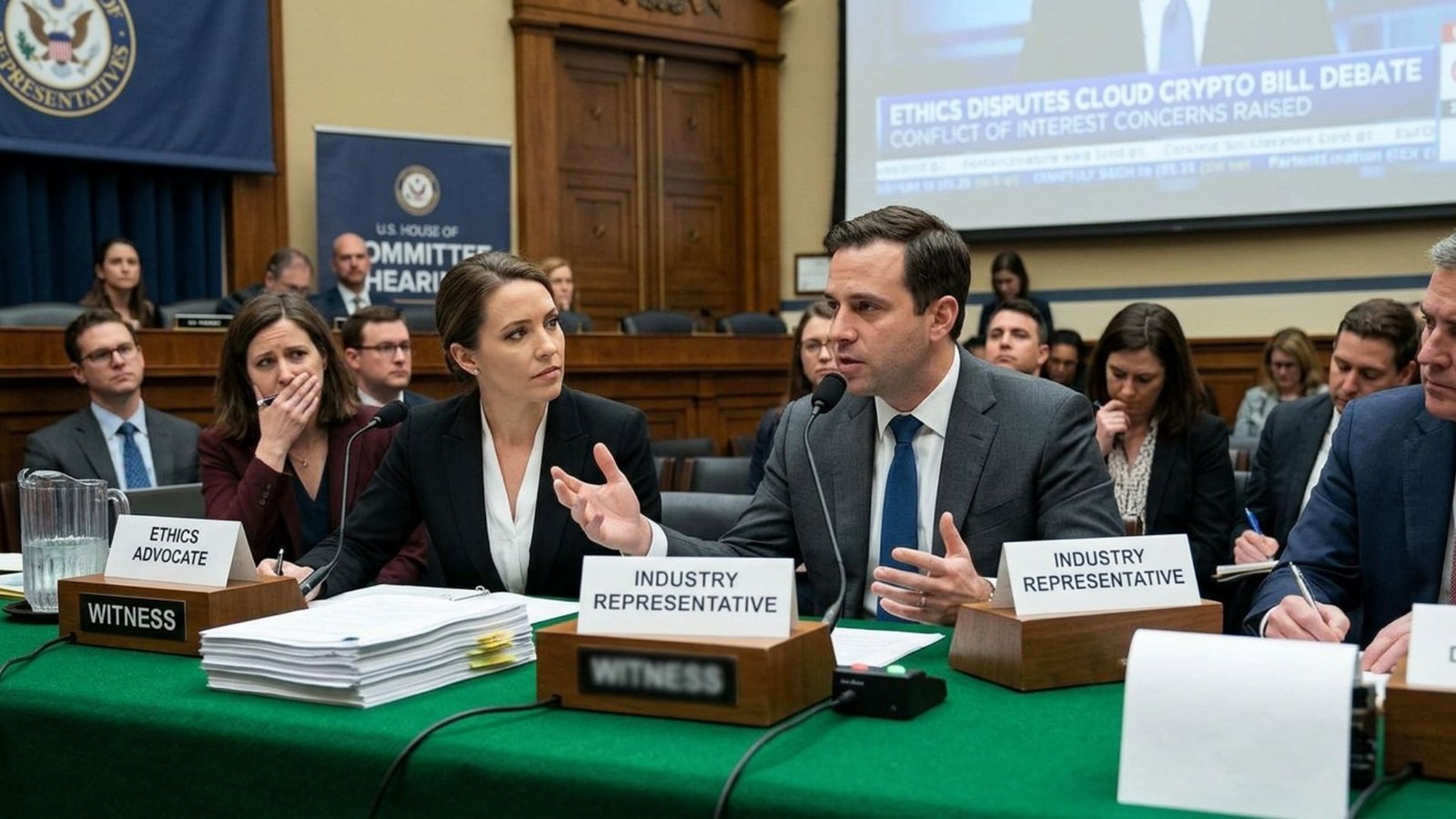
For years, the cryptocurrency industry has been waiting for clear rules from the government. But a big bill about the structure of the US crypto market is now facing serious ethical issues that could slow its progress. These controversies raise important questions about how lawmakers will shape the future of digital assets. Moreover, the ethics concerns could impact cryptocurrency investors, traders, and companies across America. This article breaks down what’s happening with the bill, why ethics disputes matter, and what it could mean for the crypto market.
The Crypto Market Structure Bill
What Is This Bill About?
The US crypto market structure bill aims to create clear rules for cryptocurrency trading and regulation. Essentially, this legislation would establish how digital assets are bought, sold, and regulated in America. The bill targets major issues like market manipulation, investor protection, and fair trading practices.
Additionally, the proposed legislation would define which agencies oversee different parts of the crypto market. For example, the Securities and Exchange Commission (SEC) would handle certain crypto assets, while the Commodity Futures Trading Commission (CFTC) would manage others. Therefore, the bill represents a major step toward federal cryptocurrency oversight.
Why Does Market Structure Matter?
Market structure refers to the rules and systems that govern how trading happens. Currently, cryptocurrency markets operate with fewer regulations than traditional financial markets. This lack of clear rules creates risks for everyday investors.
Moreover, without proper market structure guidelines, crypto exchanges can operate with limited oversight. As a result, fraud, manipulation, and unfair trading practices may go unchecked. Therefore, establishing clear market structure rules could protect investors and make crypto markets safer.
The Ethics Disputes Explained
What Are These Ethics Concerns?
The ethics disputes surrounding the crypto market structure bill involve several controversial issues. However, the main concern centers on potential conflicts of interest among lawmakers. Some legislators have financial stakes in cryptocurrency companies, which raises questions about their impartiality.
Additionally, critics argue that certain lawmakers have lobbied for provisions that benefit their own crypto holdings. For example, some representatives have pushed for rules that would favor larger crypto companies over smaller competitors. Therefore, ethics watchdogs and advocacy groups have raised red flags about these potential conflicts.
How Do Conflicts of Interest Complicate Things?
Conflicts of interest occur when a person’s private financial interests clash with their public responsibilities. In the crypto market structure bill debate, this happens when lawmakers invest in crypto projects or companies. Subsequently, these officials may unconsciously (or consciously) push for rules that help their investments.
Moreover, voters expect their representatives to prioritize the public good over personal profit. When ethics concerns arise, public trust in the legislative process suffers. For instance, if people believe lawmakers are protecting their own crypto investments rather than protecting consumers, they lose confidence in government. Therefore, these ethics disputes could damage public support for any final cryptocurrency regulation.
Which Lawmakers Face Questions?
Several members of Congress own cryptocurrency or have financial interests in blockchain companies. However, specific names and details remain subject to ongoing ethics investigations. Additionally, ethics committees in both the House and Senate are examining potential violations of disclosure rules.
Therefore, the investigation process itself has slowed the bill’s progress. As lawmakers await ethics committee decisions, debate on the actual cryptocurrency rules gets delayed. Consequently, the entire regulatory timeline shifts further into the future.
How These Disputes Affect the Crypto Industry
Market Uncertainty Creates Problems for Investors
When regulation remains unclear, investors face increased uncertainty. However, this uncertainty affects different people in different ways. Large crypto companies can afford expensive lawyers and lobbyists to navigate unclear rules. In contrast, smaller companies and retail investors struggle with the lack of clear guidance.
Moreover, price volatility often increases when major regulatory news emerges. For example, when ethics disputes become public, crypto prices sometimes drop sharply. Therefore, these disputes have real financial consequences for people invested in digital assets.
The Delay Affects Global Competitiveness
Additionally, other countries are moving faster on crypto regulation than America. For instance, the European Union has already passed comprehensive crypto rules. Therefore, delays in the US could give other nations an advantage in attracting crypto innovation and investment.
Furthermore, cryptocurrency companies may relocate to countries with clearer regulations. As a result, the US could lose talented engineers, businesses, and tax revenue. Consequently, resolving these ethics disputes quickly becomes important for American economic competitiveness.
What Happens Next?
The Ethics Review Process
Currently, the House and Senate ethics committees are reviewing the allegations. This investigation process will determine whether any rules were broken. However, ethics reviews typically take weeks or months to complete.
Moreover, once the ethics committees finish their work, they will make recommendations. These recommendations could range from simple reprimands to calls for legislation changes. Therefore, the timeline for passing the crypto market structure bill remains uncertain.
Possible Outcomes
Several scenarios could unfold as the ethics disputes continue:
- Full passage: The bill passes after ethics concerns are resolved, with lawmakers removing conflicted members from key votes.
- Modified version: Lawmakers strip out controversial provisions and pass a more limited bill.
- Delayed passage: Ethics reviews extend the timeline, pushing final votes into future congressional sessions.
- Complete failure: Growing controversy kills the bill entirely, leaving crypto regulation in limbo.
Each outcome would have different implications for crypto markets and investors. Therefore, monitoring the ethics review process matters if you have cryptocurrency investments.
What This Means for You
If You’re a Crypto Investor
Regulatory clarity affects your investment decisions and your portfolio. Therefore, you should stay informed about the US crypto market structure bill developments. Additionally, consider diversifying your crypto holdings across different types of digital assets to reduce risk.
Moreover, pay attention to which lawmakers support or oppose various regulatory approaches. Understanding their positions helps you predict which rules might eventually pass. As a result, you can make better investment decisions based on likely regulatory futures.
If You Work in the Crypto Industry
Industry professionals need to prepare for multiple regulatory scenarios. For example, your company should have legal teams ready for various regulatory outcomes. Therefore, don’t wait for the bill to pass before updating your compliance practices.
Additionally, monitor which regulatory agencies are likely to oversee your business. Different agencies have different priorities and enforcement styles. Consequently, knowing which regulator will watch your company helps you prepare appropriate policies.
Final Thoughts
The US crypto market structure bill faces serious ethics disputes that could significantly impact its timeline and final form. Moreover, these controversies highlight important questions about how lawmakers should handle their personal financial interests. Additionally, resolving these ethics concerns remains crucial for building public confidence in any cryptocurrency regulation.
However, despite these challenges, regulatory progress appears inevitable. Therefore, the crypto industry should expect more government oversight in the coming years, regardless of current disputes. In conclusion, staying informed about these developments helps you navigate an increasingly regulated crypto landscape.
